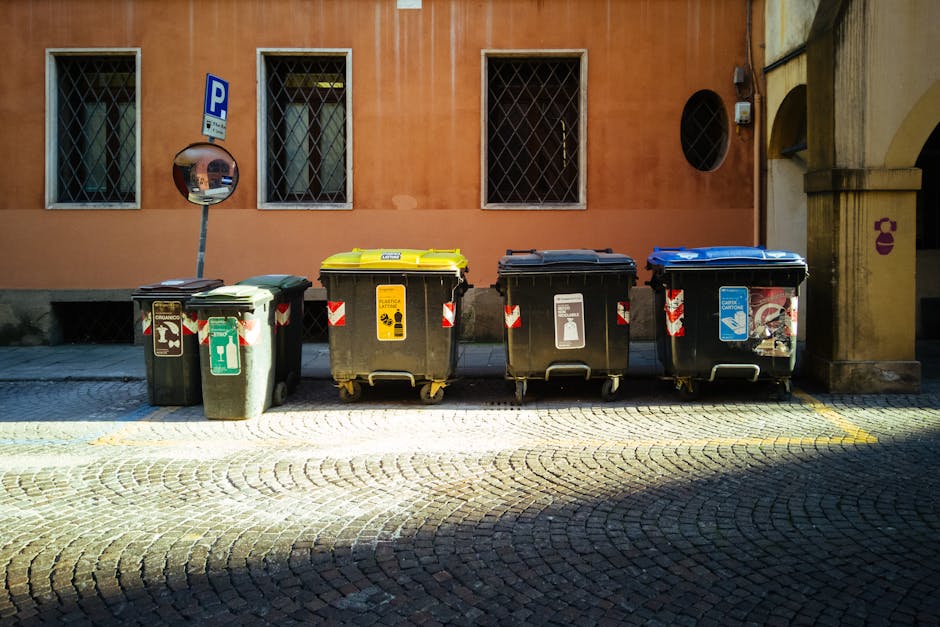
Tower Hamlets Council rules for waste disposal after cleaning: what to do with rubbish, bags, and bulky waste
If you have just finished a deep clean, an end of tenancy clean, or a big clear-out after builders, the last thing you want is a pile of leftover waste staring back at you. But that awkward final step matters. Tower Hamlets Council rules for waste disposal after cleaning are there to help residents separate rubbish properly, avoid fly-tipping, and use the right collection or disposal route for different types of waste.
In practice, this can mean anything from a few bags of general waste to carpet offcuts, broken packaging, old cleaning materials, or bulky items that no normal bin is going to forgive. The good news? Once you understand the basics, it becomes much simpler. This guide walks through what the council expects, how to handle waste after cleaning without making a mess of it, and the sensible options if you want to stay compliant and keep things moving.
Truth be told, most problems happen at the very end of a job when people are tired, the place already smells faintly of bleach, and everyone just wants to be done. That is exactly when a little structure helps.
Why Tower Hamlets Council rules for waste disposal after cleaning matter
Cleaning creates waste, and waste is where good intentions often get messy. If you leave it in the wrong place, mix the wrong materials together, or put bulky items out without the right arrangement, you risk delays, extra costs, or simply having the waste left where it is. Nobody wants that, especially after a long day of scrubbing, wiping, and hauling bags downstairs.
For Tower Hamlets residents, the council rules matter because they help keep shared streets, estates, and pavements usable. That is especially important in busy parts of East London, where space is tight and waste can block walkways very quickly. One extra stack of black bags by a doorway can look harmless for an hour. By the evening, it can become somebody else's problem. And then it becomes everyone's problem.
There is also a practical side. When you dispose of waste properly, you are less likely to attract complaints from neighbours, building managers, or landlords. That matters for tenants at the end of a tenancy, homeowners preparing for visitors, and cleaning teams working in flats with limited access. In a shared building, one careless disposal can undo a perfectly good clean.
Expert summary: The safest approach is simple: separate waste by type, keep recyclables clean, avoid overfilling bags, and only put out items for collection when the route and timing are allowed. If you are unsure, treat the waste as requiring a better option, not a quicker one.
How Tower Hamlets Council rules for waste disposal after cleaning works
The council's approach is generally built around separation, collection method, and responsibility. That sounds dry, but it is actually quite straightforward once you break it down. After cleaning, waste usually falls into a few broad groups: general household rubbish, recycling, food waste, bulky items, and specialist or hazardous materials. Each one needs a different handling approach.
General waste is the everyday stuff that cannot be recycled easily: soiled cloths, dirty paper towels, vacuum dust from normal household dirt, and small mixed refuse. Recycling is for materials that are clean enough to be processed properly, such as certain plastics, tins, glass, cardboard, and paper. If your cleaning has left the cardboard boxes damp, greasy, or caked in dust, that can change what is accepted. Frustrating? Yes. Necessary? Also yes.
Bulky waste is where people often get caught out. A sofa that has been dragged through a hallway after a deep clean, an old mattress from an end of tenancy job, or broken shelving from a post-renovation tidy-up usually cannot just be dumped beside the bin. It needs the right collection method or an authorised disposal route. For larger jobs, services like house clearance can be a practical option when there is more than a few bags to deal with.
Then there is special waste. This includes things like paint, solvents, aerosols, chemicals, and contaminated items that should not go into standard bins. If a cleaning job involves strong products or leftover building debris, be careful. That is the point where a rushed decision can create a safety issue, not just a council issue.
What changes after different types of cleaning?
Not every cleaning job produces the same waste. A light domestic clean may only leave standard bin bags and recyclables. A deep clean can generate more packaging, disposable cloths, and old clutter. An after-builders clean may also involve plaster dust, sealant tubes, broken fittings, and heavy rubble-like leftovers that need more careful disposal. If the job is bigger, a service such as after builders cleaning can help reduce the mess, but the final disposal still needs planning.
For end of tenancy jobs, waste disposal becomes a little more sensitive because landlords and letting agents often expect the property to be left properly cleared. If the aim is a clean handover, services like end of tenancy cleaning and careful rubbish removal go hand in hand.
Key benefits and practical advantages
Following the council rules is not just about staying out of trouble. It makes the entire clean more efficient. You spend less time dragging things around, fewer items get mixed up, and the property looks properly finished rather than half-done. That last bit matters more than people think.
- Cleaner presentation: a room is only truly clean when waste is removed, not just hidden in a corner.
- Lower risk of complaints: neighbours and building managers are far less likely to object when waste is handled properly.
- Better recycling outcomes: clean recyclable materials have a much better chance of being processed correctly.
- Less chance of fines or enforcement issues: especially where waste is abandoned on pavements or in communal areas.
- Safer working conditions: no one enjoys stepping over loose glass, leaking bags, or broken items at the end of a job.
There is also a time-saving benefit. It sounds counterintuitive, but sorting waste properly usually saves time in the end. You are not re-opening bags to check what is inside, and you are not making a last-minute trip because a black sack was too heavy to lift safely. A tidy system is boring, but it works. Boring is good here.
If you work across several rooms or deal with recurring cleaning jobs, using a consistent process across your home or business makes life easier. For routine help, a cleaning company with experience in end-of-job clearance is often better placed to advise on practical disposal steps than a one-size-fits-all approach.
Who this is for and when it makes sense
This topic matters to more people than you might expect. It is not just for landlords or professional cleaners. If you have cleaned anything beyond a quick dust-and-vacuum, the disposal question probably applies.
- Tenants who are clearing a flat before checkout.
- Homeowners doing a one-off refresh or a seasonal deep clean.
- Landlords preparing a property for new occupants.
- Office managers handling after-hours clear-up or redundant office items.
- Builders and decorators finishing a job with leftover dust, packaging, and offcuts.
- Cleaning professionals who need a repeatable, compliant disposal process.
It also makes sense if you are dealing with mixed waste from a bigger clean. That could mean an oven clean, upholstery refresh, carpet treatment, or full-house tidy where the waste pile grows faster than expected. After a heavy deep cleaning job, for instance, people are often surprised by how much they end up throwing away. Old packaging, broken storage, worn cloths, filters, lint, and the odd mystery item from under a sofa. You know the sort of thing.
In offices, waste becomes even more visible. A small pile of cardboard and packaging can interfere with access routes, fire safety, and normal working flow. In these settings, office cleaning and waste handling should be planned together, not treated as two separate chores.
Step-by-step guidance
If you want a simple way to deal with post-cleaning waste in Tower Hamlets, use this sequence. It keeps the job calm and makes it much easier to stay within the council's expectations.
- Pause before you bin everything. Look at the waste first. Ask: can this be recycled, reused, or collected separately?
- Separate materials at source. Keep general waste, recycling, and bulky items apart. Once mixed, they are harder to deal with properly.
- Check for contamination. Dirty cardboard, greasy paper, or chemical-soaked items may need different disposal than clean recyclables.
- Bag general waste safely. Use sturdy bags, do not overfill them, and avoid sharp items poking through.
- Keep walkways clear. Do not leave waste in front halls, stairwells, or pavements where people pass through.
- Arrange special collection if needed. For large or bulky waste, use the right collection method rather than improvising.
- Store waste securely until pickup. This matters in shared buildings and busy streets where bags can be moved, split, or removed by others.
- Confirm the final handover. If you are leaving a property, do a final check of cupboards, balconies, bins, and utility spaces. Small items hide everywhere.
A good practical habit is to create two "finish zones" during a clean: one for recycling, one for general waste. It sounds a bit fussy, but it stops the last ten minutes turning into chaos. And those ten minutes always arrive when you are already tired.
Expert tips for better results
After years of seeing clean jobs go smoothly or get unnecessarily messy, a few patterns stand out. The best results usually come from simple discipline rather than complicated systems.
First tip: do not wait until the end to think about waste. If you are cleaning a whole property, have one bag for general rubbish and one box or bag for recyclables from the start. It saves a surprising amount of back-and-forth.
Second tip: if you are cleaning with strong products, keep leftover containers upright and sealed while you work. A tipped-over bottle in a rubbish pile is not just annoying; it can damage other waste and make handling risky.
Third tip: avoid putting wet waste into bags with paper or cardboard. It can ruin the whole lot. That damp smell that sneaks up later? Not ideal, let us say that.
Fourth tip: when dealing with flats or shared buildings, plan the disposal route before you start. Is there lift access? Are bins on the ground floor? Is there a time window for collections? A little planning avoids carrying three heavy bags up and down stairs at the end, which nobody enjoys.
Fifth tip: if you are hiring cleaners, ask what happens to waste before the work starts. A proper cleaners team should be able to explain how they handle rubbish, what they will remove, and what they will leave for the household or building to collect.
And yes, sometimes the best expert tip is simply this: don't assume the council wants you to be clever. It wants you to be tidy, consistent, and sensible. Sensible wins.
Common mistakes to avoid
Most disposal issues after cleaning come from a few predictable habits. They are easy to fall into, especially when you are trying to finish quickly.
- Mixing everything together: recycling, food waste, and general rubbish should not be bundled into one bag if you can avoid it.
- Leaving waste in communal spaces: stairwells, landings, shared gardens, and corridors are not dumping spots.
- Putting out bulky items without checking collection rules: sofas, mattresses, and furniture need the right route.
- Ignoring contaminated waste: chemical containers, aerosols, and heavy-duty cleaning leftovers should be treated carefully.
- Overfilling bags: they split, they spill, and then you get to clean up twice.
- Assuming someone else will move it: if you leave bags by a wall, they do not magically disappear. Shocking, but true.
One common frustration is the "just put it there for now" approach. It feels harmless in the moment. A quarter of an hour later, a bag is in the way, somebody trips over it, and suddenly the whole job feels scruffy. Clean finishes matter. A lot.
Tools, resources and recommendations
You do not need a huge toolkit to manage waste well after cleaning. A few sensible items and habits go a long way.
| Tool or approach | What it helps with | Best use case |
|---|---|---|
| Heavy-duty refuse bags | General waste that is bulky or damp | Deep cleans, move-outs, post-build tidy-ups |
| Separate boxes or sacks | Sorting recycling from rubbish | Domestic cleans and office clear-downs |
| Labelled collection area | Keeping waste organised before removal | Flats, shared homes, and offices |
| Protective gloves | Safer handling of sharp or dirty items | Any job with broken fittings or mixed debris |
| Sturdy broom and dustpan | Final sweep of corners and edges | After builders, kitchens, and utility rooms |
| Professional clearance support | Removal of larger waste volumes | Large jobs and end-of-tenancy clear-outs |
If you are dealing with recurring waste from home or business cleaning, a service such as house cleaning or home cleaners can make the overall routine easier, especially where the aim is to keep the property in a steady, manageable condition rather than letting waste build up between visits.
For jobs that produce a lot of residue, packaging, or stubborn dirt, pairing the cleaning with the right disposal method matters more than the exact brand of bag or mop. Not glamorous, but that is the reality.
Law, compliance, standards and best practice
Without getting too legal about it, the basic duty is straightforward: waste should be managed safely, separated where required, and not abandoned in public or shared spaces. Local council rules sit alongside broader UK waste responsibilities, and the practical expectation is that residents and businesses dispose of waste responsibly rather than turning pavements, alleyways, or communal bins into overflow points.
Best practice also means being cautious with anything that could be classed as hazardous, contaminated, or bulky. If in doubt, do not assume it belongs in the normal household stream. Cleaning chemicals, sharp broken materials, electrical items, and large furniture all deserve extra care. That caution is not overkill; it is good housekeeping.
For businesses, the bar is usually higher. Offices, rental properties, and commercial premises should treat waste handling as part of site management. That includes keeping bins accessible, preventing spillages, and making sure any contractor understands what can be taken away and what needs a separate route. A decent cleaning company should work within those expectations rather than treating them as an afterthought.
Best practice in a busy borough like Tower Hamlets also includes courtesy. It sounds soft, but it matters. Keep noise down, do not block neighbours, and move waste promptly. Shared buildings are full of people trying to get on with their day, usually with a bag of groceries or a pram. Little things matter.
Options, methods, and comparison
There is no single disposal method that suits every post-cleaning situation. The right choice depends on the type and volume of waste, how quickly it needs to go, and whether the items are bulky, recyclable, or hazardous.
| Method | Best for | Pros | Watch out for |
|---|---|---|---|
| Household bin collection | Small amounts of general waste and clean recyclables | Simple and familiar | Limited capacity; no bulky items |
| Bulky waste collection | Furniture, mattresses, and large clean-out items | Useful for larger single items | Needs planning and proper presentation |
| Recycling separation | Clean cardboard, plastics, glass, and tins | Reduces landfill and keeps things tidy | Contaminated materials may be rejected |
| Professional clearance | Large post-clean or move-out volumes | Saves time and handles bigger loads | Choose a provider that handles waste responsibly |
| Staged disposal | Ongoing cleaning or multi-day jobs | Prevents clutter from building up | Needs discipline and space |
For many households, staged disposal is the most realistic approach. For example, after a weekend reset clean, you might keep recycling separate, bag general waste as you go, and book a clearance service only if the volume has become genuinely awkward. That tends to be calmer than trying to do everything in one heroic trip. Heroes are overrated when bins are involved.
Case study or real-world example
Imagine a two-bedroom flat in Tower Hamlets after a tenancy ends. The tenant has cleaned the kitchen, wiped down skirting boards, and tackled the bathroom tiles. The property looks good, but there is still a pile of waste left: two black sacks of general rubbish, flattened cardboard from cleaning supplies, an old broken laundry basket, a dusty shelf unit, and a small bag of mixed debris from under the bed.
The sensible approach is to split the waste into categories straight away. The cardboard is checked for contamination. The general rubbish is bagged securely. The shelf unit is assessed as bulky waste rather than regular bin waste. The mixed debris is handled carefully because it includes sharp fragments and dust. If the flat's shared bins are already full, the bulky item may need a separate collection route rather than being left near the bin store.
Now compare that to the rushed version. Everything goes into one bag, the bag splits on the stairs, the cardboard gets wet in the hallway, and the shelf unit is left by the entrance "for later". The result? More work, more mess, and potentially a complaint from neighbours or the building manager. It is never just one bag, is it?
In real life, the first method is not only cleaner but cheaper in time and stress. It also gives the property a properly finished feel, which matters if you are handing over keys or preparing for a new occupant.
Practical checklist
Use this quick checklist before you finish any cleaning job in Tower Hamlets:
- Have I separated general waste from recycling?
- Are any items contaminated, wet, sharp, or chemical-based?
- Have I identified bulky items that need a different disposal method?
- Are bags strong, sealed, and not overfilled?
- Is any waste left in a communal area, hallway, or on the pavement?
- Do I need a collection or clearance service for larger items?
- Have I checked cupboards, under beds, behind appliances, and utility spaces?
- Is the final space tidy enough to hand over confidently?
If you can tick those off, you are usually in a good place. It is a small list, but it catches most of the usual headaches before they begin.
Conclusion
Tower Hamlets Council rules for waste disposal after cleaning are really about common sense made visible: sort waste properly, keep shared areas clear, handle bulky items the right way, and do not leave a job half-finished. Once you build those habits, the end of a clean becomes much easier. Less clutter, fewer mistakes, and a much better final result.
Whether you are clearing a flat, finishing a deep clean, or dealing with post-renovation debris, the key is not to rush the last stage. A neat disposal process protects the property, keeps neighbours happier, and helps the whole job feel complete. Small details, big difference.
If you are planning a larger clean or want help managing the mess that comes after, it is worth choosing a service that understands both the cleaning and the waste that follows. That combination saves time, reduces stress, and usually leaves a far better finish.
Get a free quote today and see how much you can save.
Frequently Asked Questions
What counts as waste after a cleaning job?
Waste after cleaning can include general rubbish, recyclable packaging, dust bags, cloths, old paper towels, broken household items, and sometimes bulky items such as furniture or shelving. The exact mix depends on the type of clean.
Can I put all cleaning waste in one black bag?
You can, but it is rarely the best option. Mixing everything together may stop recyclable items from being processed properly and can make heavy bags more likely to split. Separation is usually safer and tidier.
What should I do with bulky items after cleaning?
Bulky items usually need a separate disposal route. That may mean a bulky waste collection or a clearance service, depending on the item and the amount involved. Do not leave them beside communal bins unless that is specifically allowed.
Are cleaning chemicals allowed in normal household waste?
Not always. Leftover chemicals, aerosols, and similar materials can need special handling. If there is any doubt, treat them cautiously and keep them separate from standard rubbish.
How do Tower Hamlets Council rules affect tenants at the end of a tenancy?
Tenants should leave the property clear, tidy, and free from rubbish in shared or public spaces. End-of-tenancy disposal is especially important because it can affect handover, deposit checks, and general goodwill.
What if my recycling is dirty or wet after cleaning?
Contaminated recycling may not be accepted for recycling at all. If cardboard is soaked, grease-stained, or mixed with chemicals, it may need to go into general waste instead. Keep recycling as clean as you can.
Can cleaners remove waste as part of the job?
Sometimes yes, depending on the service and the arrangement. It is best to ask before the clean begins so there are no surprises at the end. A professional team should be clear about what they can and cannot take away.
What is the safest way to handle waste after a deep clean?
The safest way is to sort waste as you go, use strong bags, keep sharp or contaminated items separate, and avoid overfilling. If the volume is too large, arrange an appropriate clearance method rather than forcing it into normal bins.
Do I need to clean before disposing of waste?
Usually no, but you do need to avoid contaminating recyclable items or leaving waste in a dirty or unsafe state. In some cases, you may need to wipe or drain items first so they can be handled properly.
What happens if waste is left in a communal area?
It can lead to complaints, obstruction, or removal concerns. In shared buildings, waste should never be left where it blocks access or creates a nuisance. Prompt removal is the safer and more respectful option.
When is a house clearance better than normal bin disposal?
A house clearance makes sense when the waste volume is too large for normal household collections, or when there are bulky, mixed, or awkward items to remove. It is often the simplest solution after a major clean-out.
How can I avoid making a mess while moving waste out of a property?
Use strong bags, keep bags sealed, do not drag loose waste, and plan the route before lifting anything. If you are working in a flat or office, clear the path first so you are not carrying bags through tight spaces.
And if the whole thing feels like a faff, that is normal. Waste disposal after cleaning is one of those jobs that looks tiny until it suddenly isn't. A steady plan makes it manageable, and honestly, that is half the battle.