Oven Cleaning in Bow

We provide oven cleaning in Bow for households that want cooking appliances restored to a cleaner, more workable state without dealing with the hardest build-up themselves. Our focus is on the practical parts of the job: removing grease, carbon and baked-on residue from the interior surfaces, racks, panels and removable components, then leaving the appliance ready for everyday use. If you are looking for a straightforward service that concentrates on the oven rather than a general tidy-up, this page sets out what that usually involves.
The work is suited to standard domestic ovens and related cooking equipment where residue has collected over time. Different appliances need different methods, so the process is chosen around the unit rather than forced into a one-size-fits-all approach. We clean with care around seals, fans, doors and controls, and we aim to return a finish that looks more presentable and is easier to maintain afterwards. If you need a clear starting point, you can request a quotation once you have read through the service details.
Typical oven care often includes attention to the inside cavity, glass panels, shelves, trays and extractable parts, with work adapted to the condition of the appliance. Where access is straightforward, the task can be planned as a focused kitchen service rather than a disruptive project. Our aim is practical improvement: reducing stubborn deposits, improving cleanliness around visible surfaces and helping the appliance feel more manageable in day-to-day cooking. For a fuller overview of related work, see our oven cleaning service page.
What our oven cleaning service covers
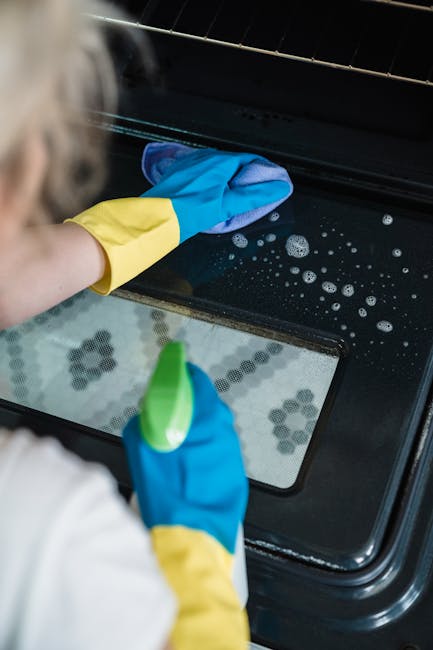
Kitchen ovens tend to gather a mix of fat, food spills and soot-like staining that ordinary wiping rarely shifts. A proper clean looks at the surfaces most affected by repeated cooking: the base, sides, top, door, racks, trays and any detachable pieces that can be safely treated off the appliance. We focus on removing visible grime in a way that is methodical rather than rushed, because lingering deposits are usually spread unevenly and need more than one quick pass.
In many homes, the best results come from separating the job into sensible stages. The appliance is assessed first, then suitable cleaning products and tools are chosen for the material and condition involved. Some ovens have areas that can tolerate more intensive work, while others need a lighter touch around coatings, seals or electronic controls. This is the kind of detail that makes the outcome more even and more reliable. If you want the service broken down by area of the kitchen rather than by appliance, our domestic cleaning page gives a broader view of our home cleaning work.
We also pay attention to the parts people often notice most quickly: the oven door glass, the front edges, handles and visible trim. These areas influence how clean the appliance appears even when the interior has improved. A well-planned clean should therefore cover both function and presentation. That balance matters if you use the oven often and want it to remain easier to keep under control between visits. When residue has spread to adjoining components, the work can be adjusted without turning into unnecessary extra tasks.
Interior cleaning and removable parts
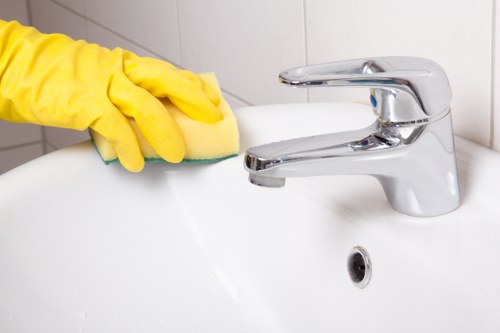
One of the main parts of oven cleaning is the interior chamber itself. This is where heat, steam and repeated cooking can leave layers of residue that build up in corners and on flat surfaces. We clean the inside carefully so that the work reaches the areas most affected by baked-on deposits, including behind the obvious marks where spills have dried and hardened. That approach is often more useful than simply making the surface look briefly wet or polished.
Removable components are equally important. Shelves, racks, trays and similar parts can usually be treated more thoroughly when separated from the main body of the appliance, because deposits are easier to loosen and inspect from every side. This means the finished result is less likely to hide grime in awkward spots. It also helps the oven stay more presentable after use, since cleaner components do not carry as much residue back into the cavity. For people comparing related kitchen services, our deep cleaning page shows the wider approach we take to intensive domestic cleaning tasks.
Where ovens include internal fittings or specialist features, those parts need handling in line with the appliance design. Not every component should be removed in the same way, and not every material responds the same way to cleaning solutions. A careful service respects those limitations while still tackling the visible build-up that most affects appearance. Good oven cleaning is measured as much by judgement as by effort, especially when the aim is to clean thoroughly without creating avoidable wear.
Doors, glass and visible finishes
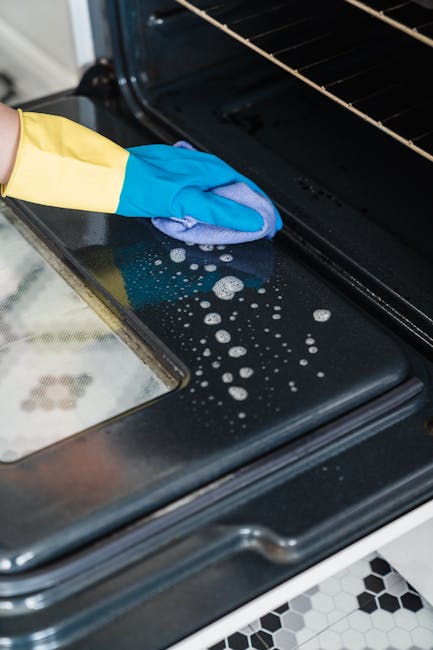
The outside of the oven matters nearly as much as the inside, because it is the part seen every day. Smears on the door, grease around the handle and splashes on the front panel can make an appliance look untidy even if the cavity is already serviceable. Our work includes attention to these visible surfaces so that the appliance has a cleaner overall appearance. This is especially helpful in busy kitchens where the oven sits in clear view.
Glass panels can present their own challenge because residue often settles in thin layers, then becomes harder to remove once heat has worked it in. We treat the glazing with the appropriate level of care so that the finish is improved without unnecessary abrasion. Buttons, knobs and surrounding trim also need sensible handling, because these details can collect grease in narrow edges and corners. The aim is a balanced finish across the whole appliance, not an uneven result where one section looks better than another.
If the oven is part of a larger cleaning plan, it can be useful to think about the rest of the kitchen at the same time. A single appliance may be the most urgent job, but surrounding surfaces, hobs and extractor areas often benefit from being considered together. We do not turn the service into an unnecessary package, yet we can work in a way that fits the state of the room. When you are ready to move forward, the next step is simply to ask for a quotation.
How we approach different oven types
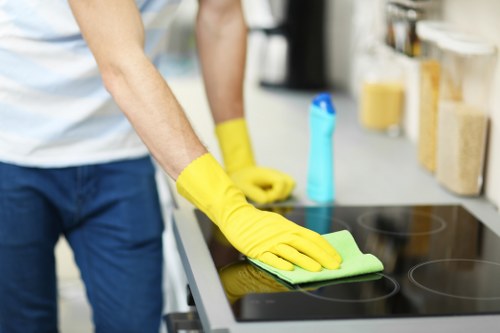
Domestic ovens are not all built in the same way, so the process has to account for differences in layout, access and finish. Some are straightforward single units, while others include separate compartments or integrated features that change how residue collects. Our approach is to clean the appliance according to its structure and condition, rather than applying the same treatment everywhere. That is one reason a careful assessment matters before the work begins.
Where the oven has stubborn build-up, a patient method is usually more effective than aggressive rubbing. Deposits are lifted in stages so that the finish is improved without forcing the job faster than the appliance allows. This is particularly relevant for surfaces that are more sensitive to scratching, discolouration or moisture. A sensible cleaning method protects the unit while still addressing the heavy grease that often gives the appliance its worn appearance. For another closely related appliance service, see our oven cleaner page.
We also recognise that some kitchens have appliances with older fittings or a mixed set of materials. That does not stop the service, but it does affect the way the task is carried out. Where needed, cleaning is adjusted so that problem areas are treated carefully and in the right order. The benefit is not only visual: a cleaner oven can be easier to inspect, easier to wipe down and less likely to leave old residue on cookware or shelves.
Why regular oven maintenance helps
Oven cleaning is often requested after build-up has become obvious, but regular attention can make later cleaning more manageable. Grease and food splatter harden with repeated heating, so what starts as a light mark can eventually turn into a more stubborn patch. Keeping the appliance in better condition between deeper cleans can reduce how embedded that residue becomes. That does not mean the oven must look pristine all the time; it simply means the next proper clean is less likely to be dominated by heavy deposits.
From a practical point of view, regular maintenance supports easier everyday use. Shelves slide more freely when they are not coated in thick residue, glass is easier to check at a glance and the appliance looks more presentable when the kitchen is in use. There is also a straightforward hygiene benefit in reducing the material left to collect on surfaces that are heated often. For households comparing broader home cleaning options, our one-off cleaning page may also be useful where a larger reset is needed.
Not every oven needs the same schedule, because cooking habits vary and some appliances are used more heavily than others. The point is not to promise a fixed routine but to show how a well-timed clean can keep the appliance more manageable. That is especially useful if you cook often, entertain regularly or simply want the kitchen to feel better maintained. A sensible service deals with the real condition of the oven rather than assuming every job is identical.
Preparing for a quotation and visit

When you ask for a quotation, the most helpful details are usually the oven type, the general condition and whether there are any features that need extra care. A brief description of the appliance is often enough to begin with, especially if the oven is a standard domestic model. If you can mention whether the interior, racks, glass or outer surfaces are the main concern, it helps shape the work more accurately. We keep the process straightforward so you can explain only what matters.
If you are arranging the service at the same time as another kitchen task, it can be useful to mention that as well. The aim is to make the visit efficient, not to create extra administration. Good preparation is mainly about clarity: knowing which appliance needs cleaning, where it is installed and whether access is uncomplicated. That information supports a more sensible quotation and avoids unnecessary assumptions about the scale of the work.
We keep the booking conversation focused on the job itself. There is no need to overcomplicate the request, and there is no requirement to describe every room in the home. A clear enquiry about the oven is enough to get started. If you are comparing different types of cleaning support, our pricing and quotes page can help you understand how quotations are handled before you decide to proceed.
About Bow
Bow is an East London district within the London Borough of Tower Hamlets, shaped by centuries of change from rural settlement to industrial suburb and, more recently, to a densely populated urban area connected to the wider Docklands and Olympic Park corridor. The name is traditionally linked to the bow-shaped bridge associated with the area’s medieval crossing of the River Lea, though the modern district is now defined as much by roads, rail links and redevelopment as by old boundaries. The locality sits close to Stratford, Bromley-by-Bow, Mile End and Poplar, which places it within a busy stretch of inner east London where residential streets, major transport routes and newer mixed-use developments sit side by side. Historic layers remain visible in places such as St Mary’s Church, often called the Bow Church, and in the enduring grid of local streets that reflect later Victorian and Edwardian expansion. The area is also associated with the East End’s social history, including settlement, industry and labour organisation, while contemporary Bow is influenced by nearby open spaces, canal corridors and the changing character of the Lea Valley. Pudding Mill Lane, the River Lea and adjacent waterways are reminders of the district’s relationship with transport and water management, and the presence of large-scale regeneration nearby has altered views, housing and everyday movement through the area. Today Bow is known less for a single centre than for its overlapping neighbourhoods, estates, stations and routes, with the DLR, Underground and local bus connections giving it a distinctly urban rhythm. The result is a place where older landmark buildings, long-standing streets and newer development form a varied urban landscape with strong links to the wider East End.
Kitchen cleaning that fits around the appliance
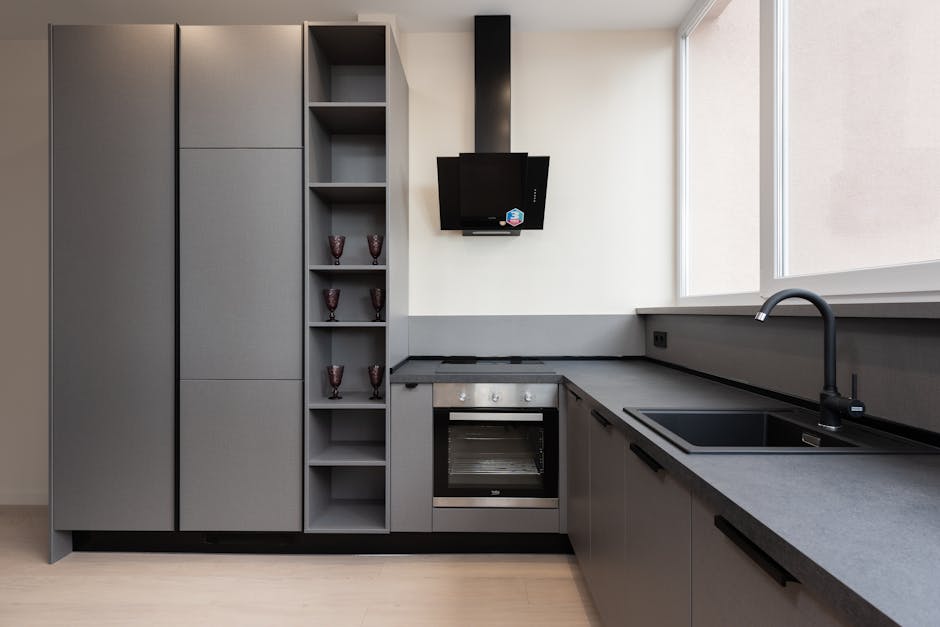
Although the oven is the main focus here, the way the job is carried out should still fit the wider kitchen environment. The appliance does not exist in isolation: it sits beside cupboards, worktops, splashbacks and floor surfaces that can all be affected by cooking residue over time. A sensible cleaning approach pays attention to the surrounding space so that the oven is cleaned neatly without leaving unnecessary marks nearby. This makes the result feel more complete and less like a single isolated task.
In some homes, the best outcome comes from pairing the oven clean with another domestic service such as a wider kitchen refresh or a more general house clean. That decision depends on the condition of the room and on how much work is needed overall. We do not assume that every kitchen requires a broader package, but when extra surfaces have picked up grease or general dirt, it can be efficient to handle them together. For related domestic work, our house cleaning page gives a fuller view of routine cleaning support.
Even when only the oven is being cleaned, the finished appliance should feel more at home in its setting. The practical goal is a kitchen element that looks and works better within the room, rather than a surface that has merely been wiped superficially. Attention to the immediate area matters because cooking residue often spreads beyond the obvious hotspots. That is why careful cleaning around the appliance can make the final result more satisfying.
Requesting the right level of service
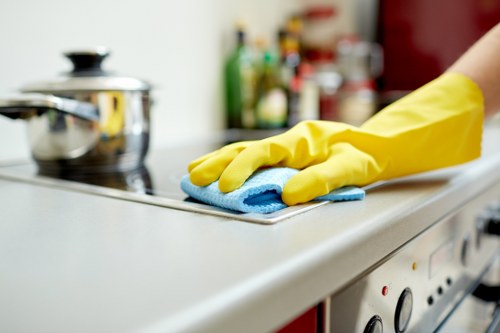
Some customers need a straightforward oven clean because the appliance is visibly dirty; others want to deal with a build-up that has been ignored for longer. The level of service required depends on the condition of the oven, the number of removable parts and the extent of residue on the glass, door and interior surfaces. A clear understanding of that condition helps match the work to the appliance, which is more useful than assuming every job needs the same amount of effort.
Where an oven is heavily used, it may be worth discussing the condition of trays, racks and any adjoining cooking features at the same time. This does not mean the job must expand unnecessarily, but it does help identify which parts most need attention. The best cleaning plan is usually the one that focuses on the areas with the most build-up first. If your enquiry is part of a broader update to the home, our cleaning company page explains the range of domestic services available.
If you would like a quotation, send us the key details of the oven and we will take it from there. A concise enquiry is enough to begin, and the service can then be discussed in terms that suit the appliance and its current condition. For anyone comparing service types, the important thing is choosing an approach that is careful, practical and appropriate to the kitchen rather than rushed. Request your quotation today.